
- Celebrating-Somersets-Creative-And-Cultural-Practitioners-Robyn-Hepburn
Celebrating Somerset's Creative & Cultural Practitioners – Robyn Hepburn
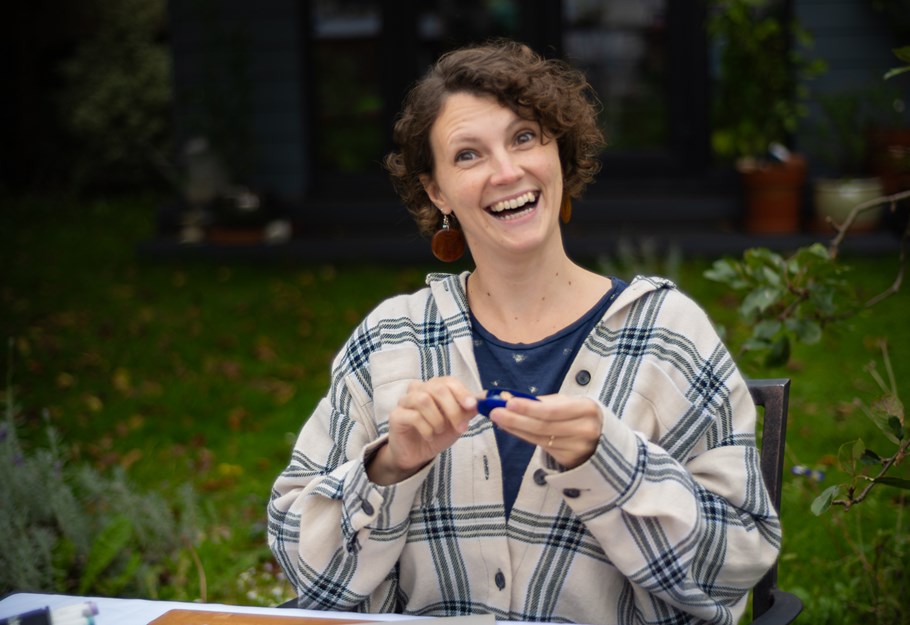
For this month’s blog, we spoke with South African born, mixed-media illustrator and portrait artist, Robyn Hepburn. Now living in Somerset, Robyn’s artwork is bright, colourful, and focuses on family and nature. Her artwork celebrates the small details within the world around us and embraces the silliness. During our talk, we explored Robyn’s introduction to art, the process of finding her artistic style and the importance of experimenting with different art materials and techniques to build your artistic career.
Robyn explained how her introduction to art began from a young age through her parents and their love for art and creativity. “Both my parents were interested in art. They took painting classes and were always creating something. Art was a normal part of our lives. When I was at preschool, they’d ask, “What do you want to be when you grow up?” I said I wanted to be an artist - by which I meant that I wanted to paint. But that changed as I grew up and discovered how vast and various art is.”
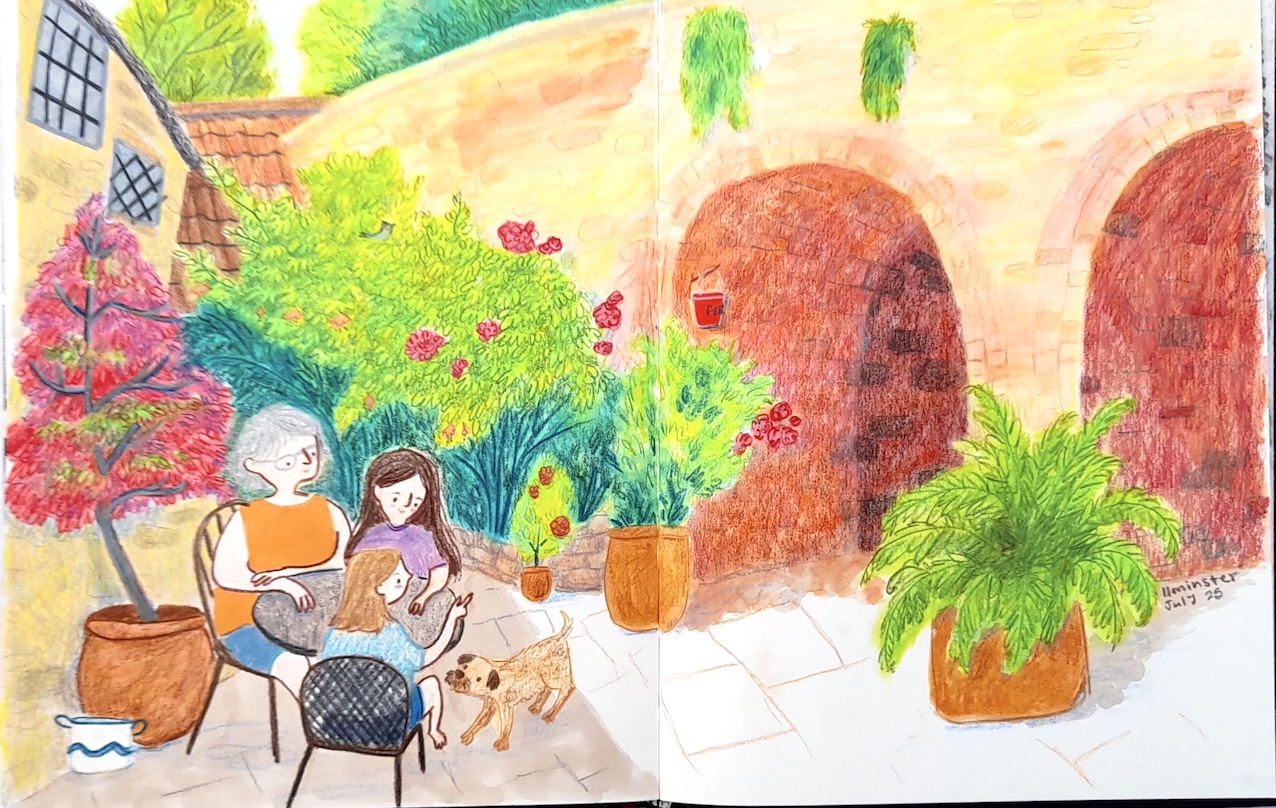
During our discussion, Robyn and I shared a mutual understanding that finding your style as an artist develops and remoulds overtime. Robyn talked about her experimental journey within Art & Design, “My journey was an odd little windy road. I love nature and I always wanted to capture the things that I saw. I mean, I grew up in South Africa where everything is beautiful! I wanted to capture sunrises and sunsets and be able to paint them. I remember getting frustrated at not being able to get everything to look the way I wanted. In high school, we were forced to focus on realism, and it turned-out painting wasn't really my thing, but I could draw realistically in pencil from photos. When I moved to the UK, my A Level art teacher encouraged us to be creative rather than just realistic. Then I did a foundation year in Art & Design at university and got to experiment with photography, textiles, sculpture and metalwork, which I enjoyed so much that I went on to specialise in Silversmithing for my degree. Once I left university, I focused on creating silver jewellery.”
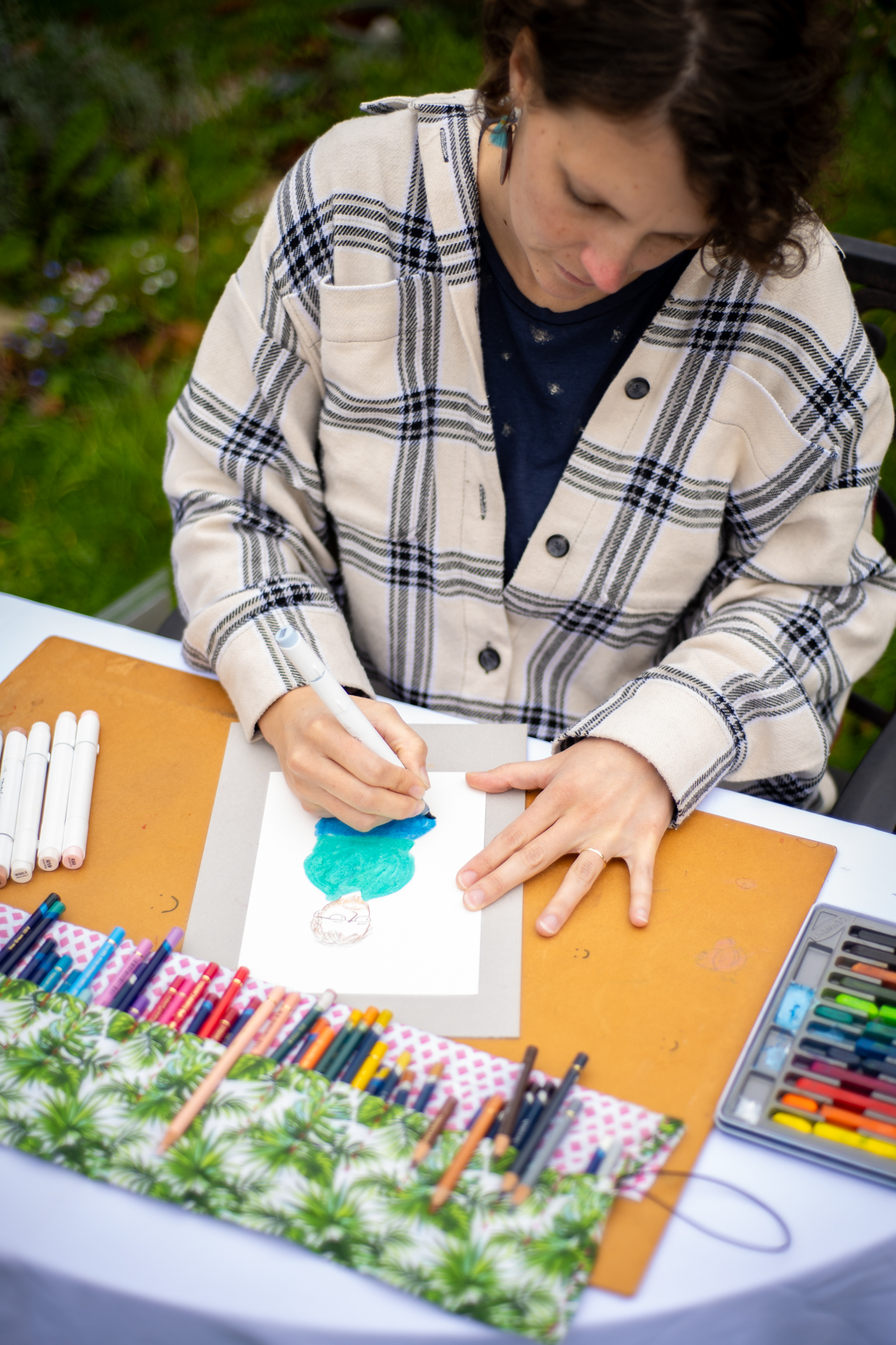
What developed her interest in illustration and portrait artistry came later in Robyn’s career. “When I had my second daughter, almost the same day, I just went, “I don't want to do jewellery anymore.” What I really wanted to do was illustration, but I didn’t think I could draw from my imagination.” During the next few years, loads of courses were online because of COVID. “So, I took a few online courses in picture book illustration, which inspired me to keep drawing and experimenting until I could draw in a way that made me smile.”
Experimenting with many different art mediums and styles is a reoccurring influence within Robyn’s art today. “One method I love to implement is what I call ‘blobbing.’ From drawing realistically growing up, my natural inclination is to focus of the lines and details, so to counter that, it’s best to blob things: I pick a thick, imprecise medium and just blob the shape of what I want to draw - starting on the inside and working outwards. If it goes ‘wrong’ I just go with it until I end up with a shape that I like, then add some scribbly details with coloured pencils. I love pencil crayons because they’re too thick to be precise. They give me the freedom to make a mess and have fun. I’m often laughing by the time I’ve finished drawing.”
Originally from Somerset West, near Cape Town in South Africa, Robyn moved to Northern Ireland at 17. Moving away from home, I asked Robyn if there was shift in her artistic expression during that time. “Yes, definitely. I moved from South Africa to Belfast, Northern Ireland where I did my A Levels and attended University. But all through A Levels, I just wanted to draw things from South Africa, and it was all about memories and what I saw there, because obviously I missed it a lot. It took a long time to adjust. You know how you don’t appreciate something until it’s gone? It happened like that with South Africa. As I mentioned previously, when I was there, I loved sunrises and sunsets and that was pretty much all I drew. But when I moved to the UK, I appreciated so much more about South Africa that I almost went overboard and was only influenced by South African art and nature. Now, in my illustration work, all my pictures are of very English scenes - lots of trees, lush green grass. But I’m still influenced by the bold colours from South Africa, I like to bring the South African colour into the British countryside.”
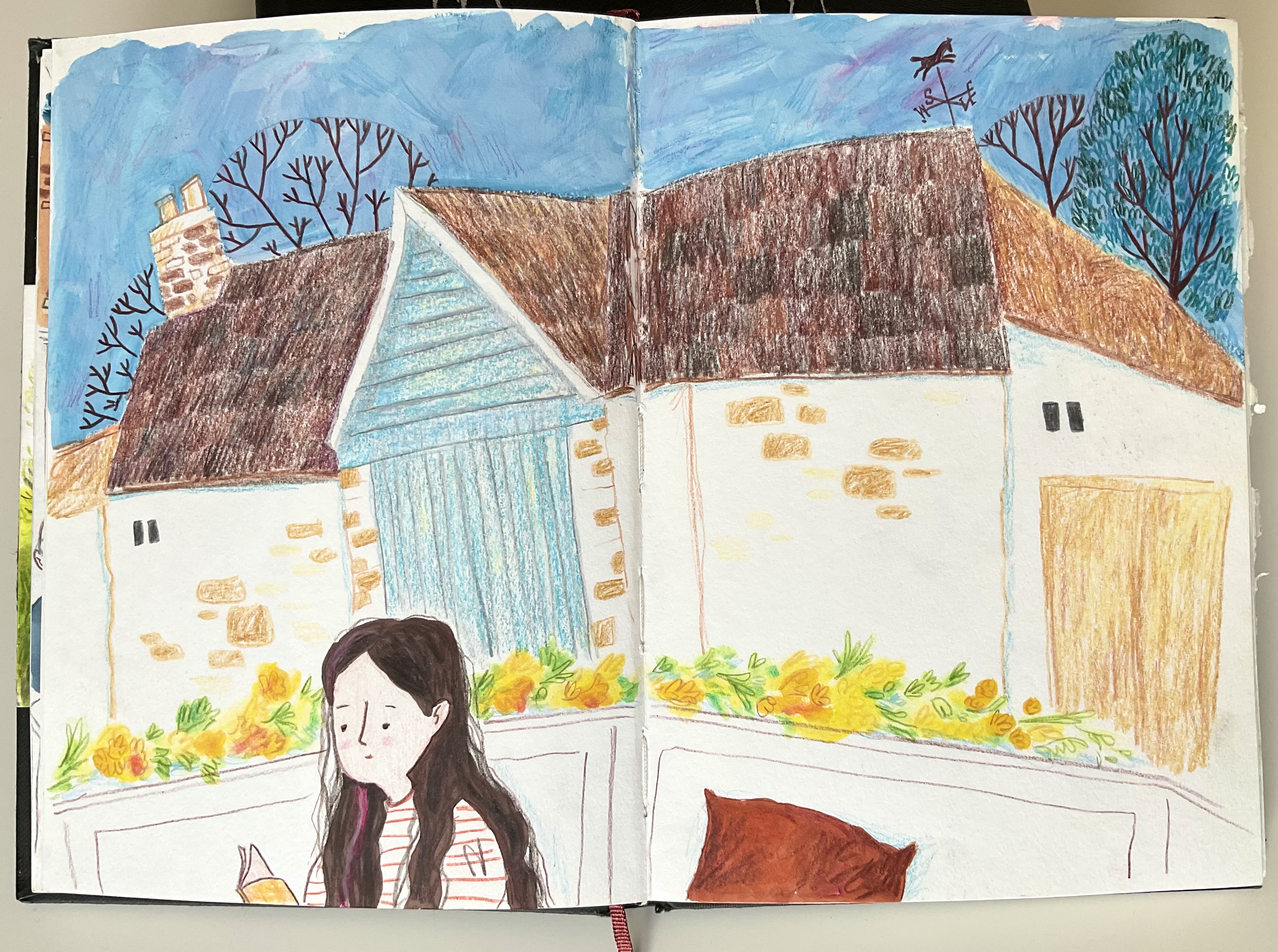
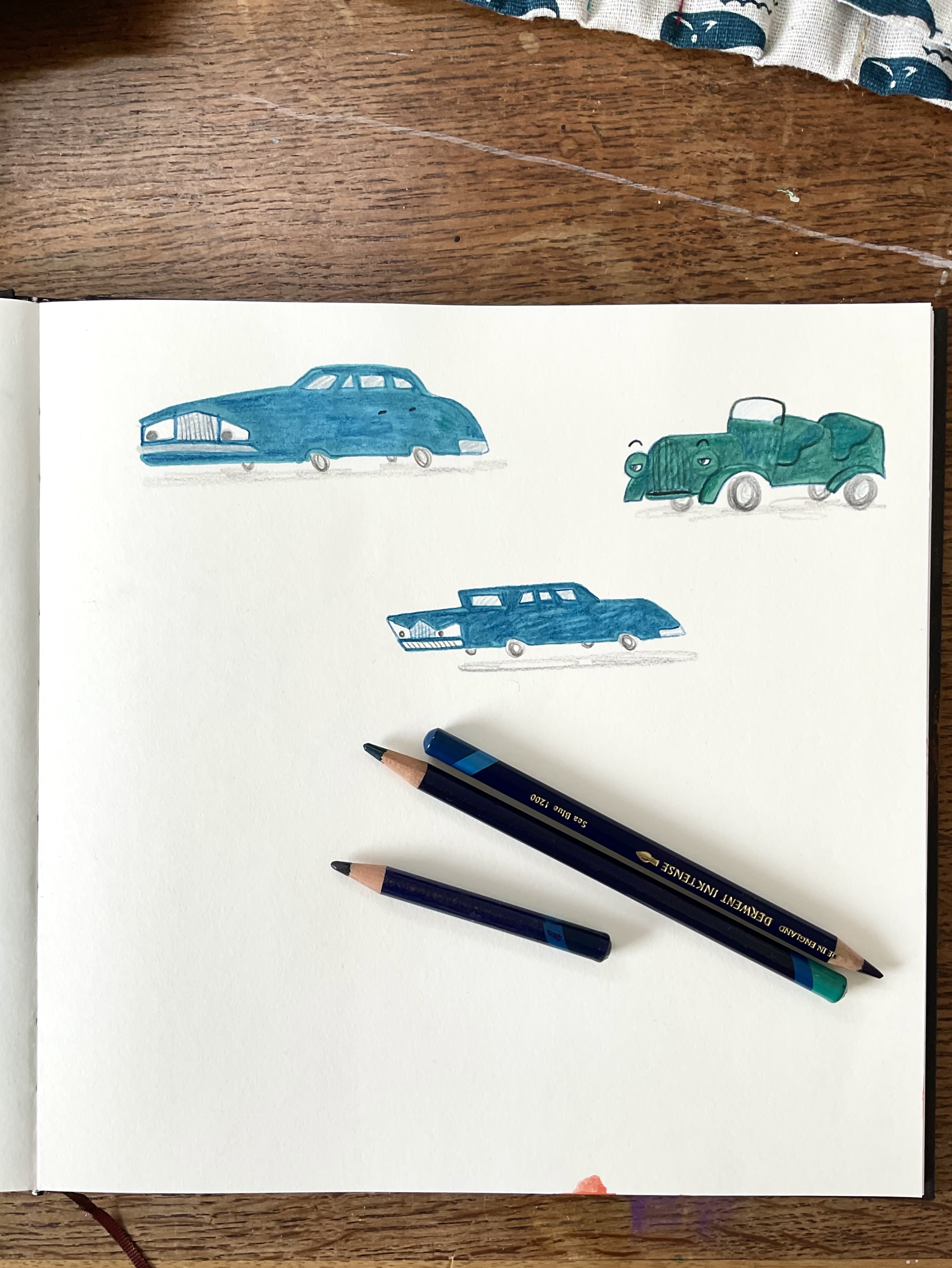
Finding your artistic style and establishing your creative process can take time. Robyn shared her advice for other artists finding theirs. “Just keep drawing and experimenting with art mediums, but focus on what you really like so it’ll be personal to you. For example, I love drawing bicycles, old cars, people, buildings and animals. That’s my thing now, though they looked pretty terrible in the beginning. But I had to keep drawing them in different ways to develop my style. It doesn’t have to be objects, you can draw your favourite books, movies or hobbies. All your favourite things can be used to develop your style.”
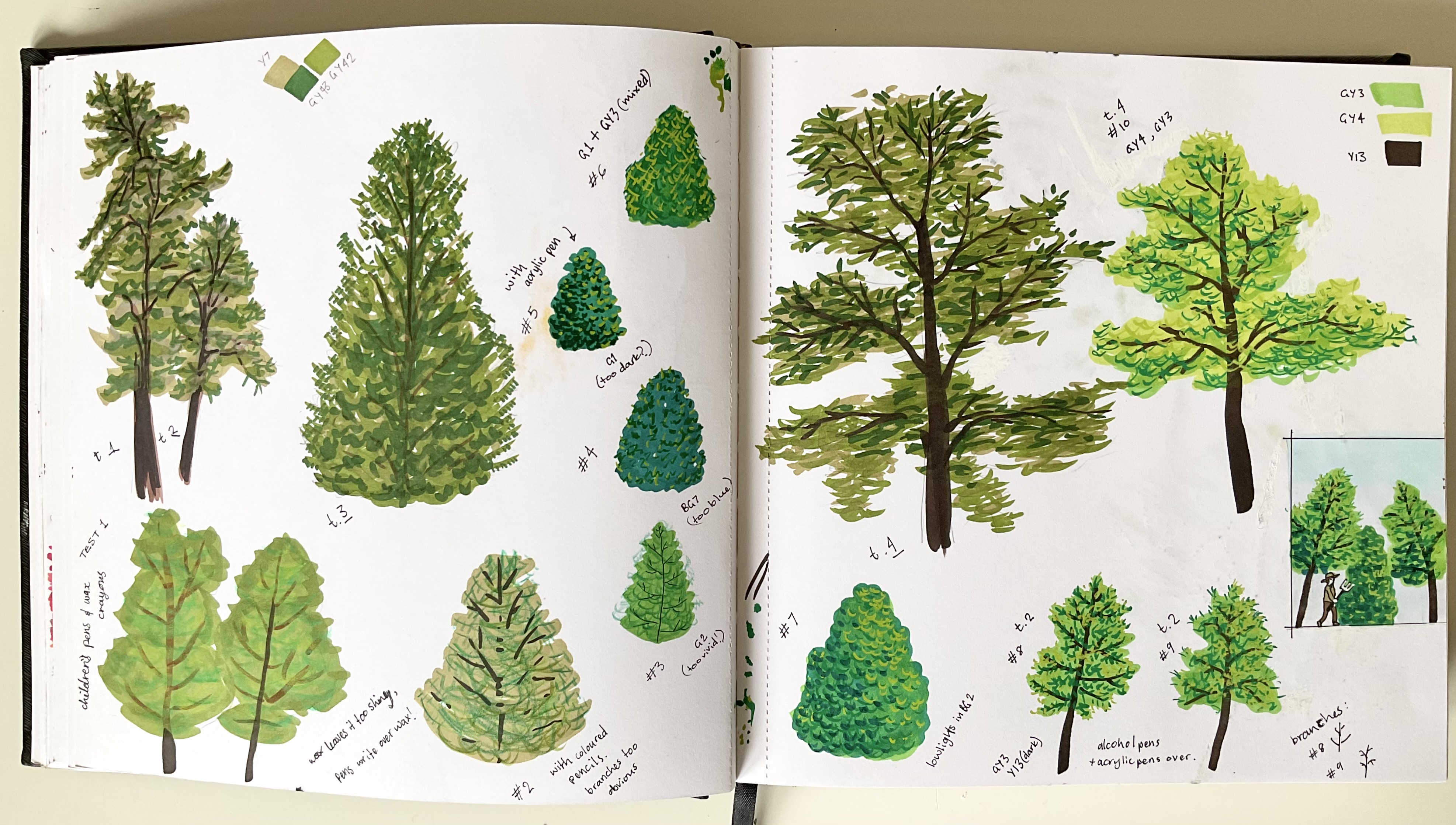
Robyn has kept all her sketchbooks and showed me pages from one of her earlier ones, explaining her process of establishing her style. “This sketchbook includes when I went out and drew loads of trees, and I pretty much hated all of them. But that’s useful because I took note of what colours I was using and what ways I was doing it, so I could remember what I didn’t like. I also looked at how other illustrators drew trees and took note of my favourite elements. It helps you find out what you like and dislike. Even if it’s just one thing: “I hate this whole picture, but I really like the way I did those branches.” Now draw it again, but try something different. One of the biggest mistakes people make is they think every drawing must be perfect first time. But you can draw it 50,000 times. There’s no limit. Just keep drawing."
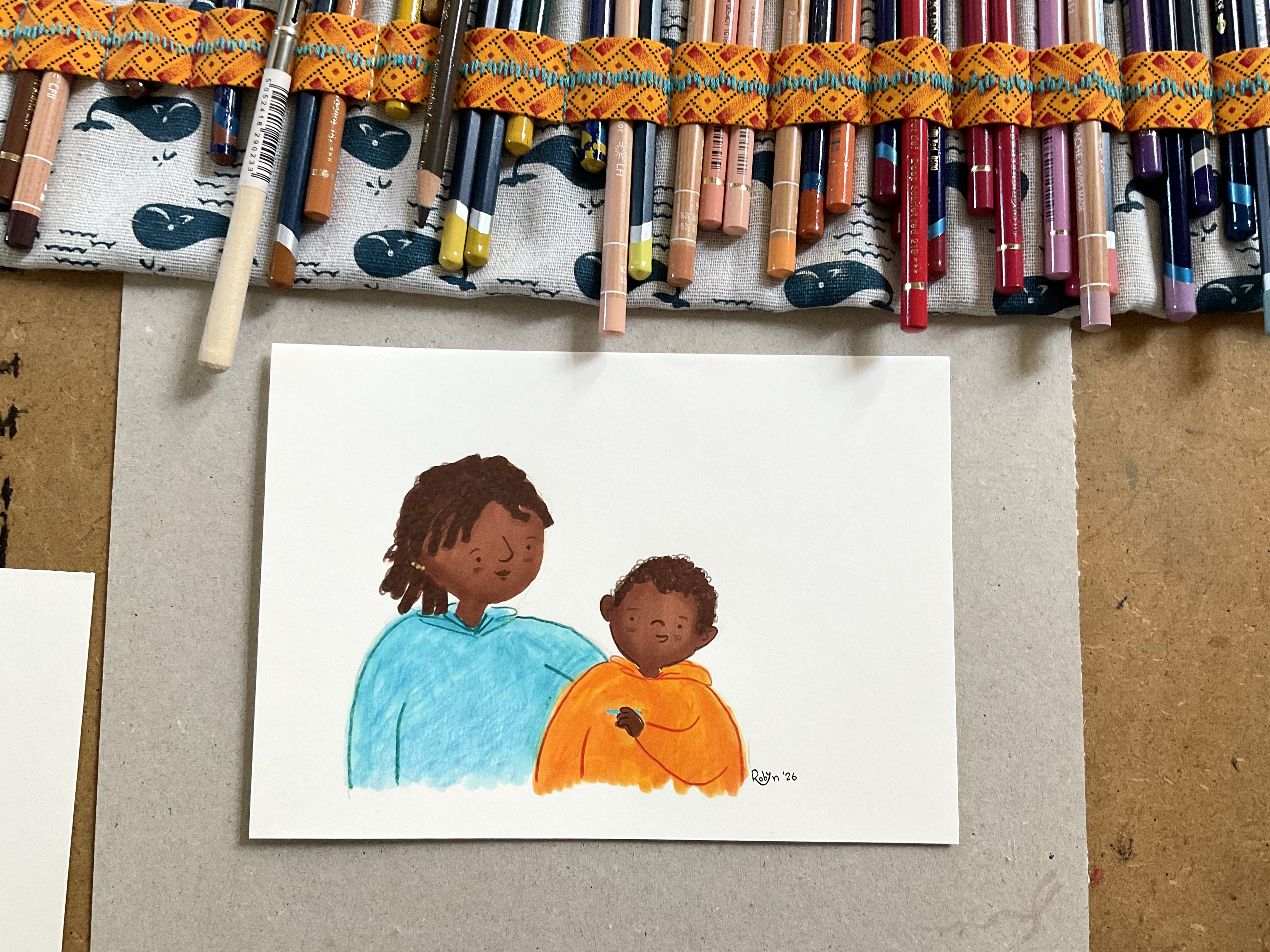
As well as taking commissions for custom illustrations of buildings, posters and portraits of people and pets, Robyn also does live event illustration for private hire plus local markets and fairs. Robyn’s shared her typical day in the life doing live illustration. “The first hour of a market can be quieter because people want to look around first, but once people start coming for a portrait, often it can get busy and then it's one person after the other. I love that people are really chatty. So, it's a day full of drawing and socialising. Which is surprising - I’m an introvert and I find socialising hard, even just going into town, walking around and not talking to anyone. I get home and I'm exhausted just from being around people. But for some reason, because I’m drawing and chatting at the same time, it's the most comfortable I am in a social situation because I get to talk about what I know and love.”
Robyn’s advice for someone trying to build a career in illustration: “Choose an avenue of illustration and find your niche, while being open to new things and exploring where they lead you. Don’t be afraid to fail. When it comes to illustration and trying new things, there are no mistakes because they’re all valuable to learn from. Every time you go, “oh this is a bad drawing,” it’s teaching you. So really, my advice is: go and make mistakes.”
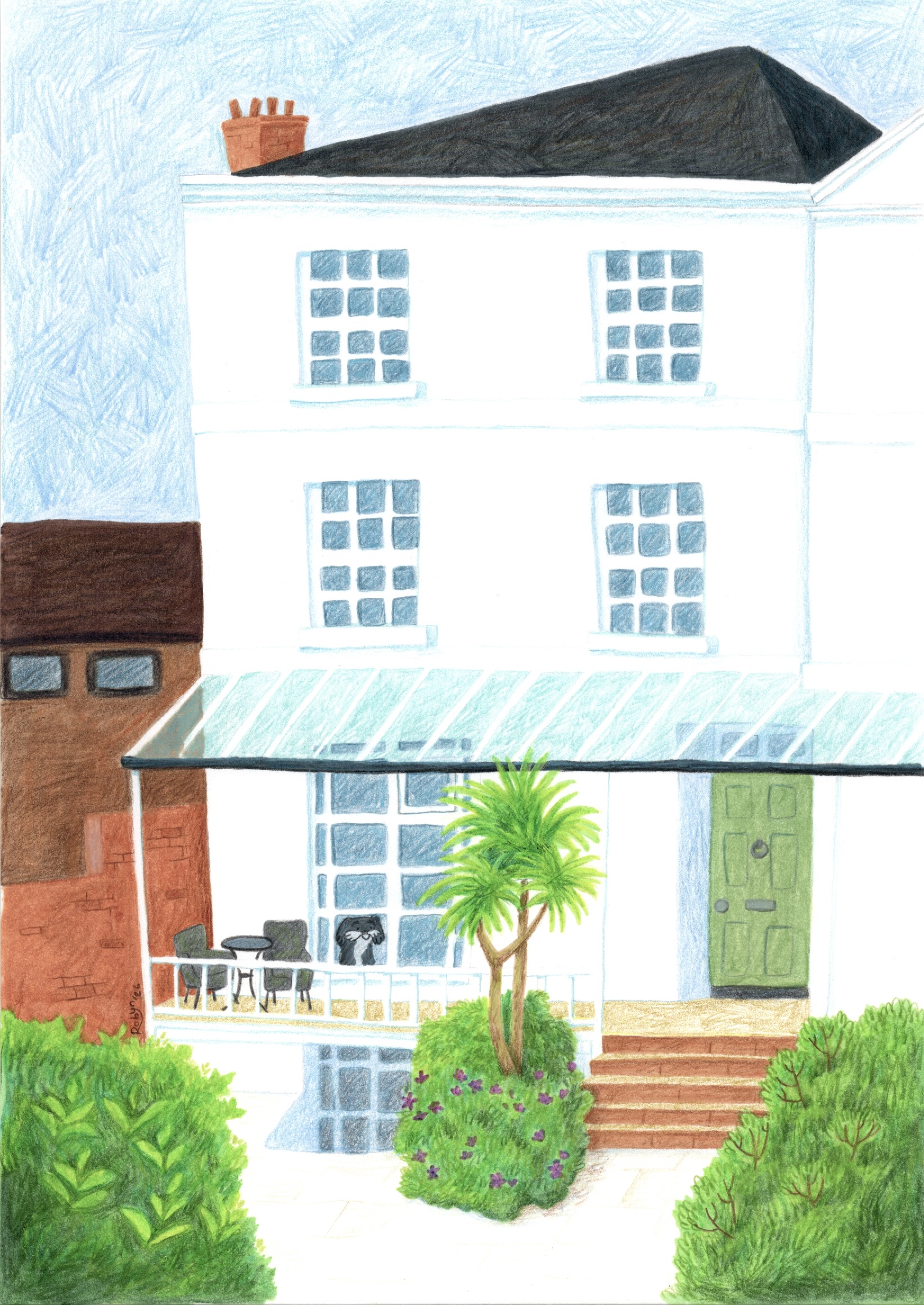
To find out more about Robyn’s artwork, personal commissions and future markets visit her website: https://www.robynhepburn.com/
Conversations